Every third client asks the same question: "Which is better — laminate or engineered wood?" There is no single answer — it all depends on budget, usage conditions and how long you plan to live in that apartment. Let's break it down honestly and straight to the point, taking into account the specifics of Tbilisi's climate.
Georgia's Climate: Why It Matters for Flooring
Tbilisi is a city with strongly pronounced seasonality. Hot, dry summers (+35–40°C, humidity 30–40%) and cool, humid winters (0–5°C inside apartments without central heating, humidity 65–75%). The annual humidity swing can reach 40%. This directly affects flooring: all wood-based materials "breathe" — they expand and contract.
The second factor is underfloor heating. Hydronic underfloor heating is rarely installed in Tbilisi (no centralised heat supply; a separate circuit is required). Electric mat heating is gaining popularity — both laminate and engineered wood are compatible with it when installed correctly and when the maximum surface temperature is respected (28°C for laminate, 27°C for engineered wood).
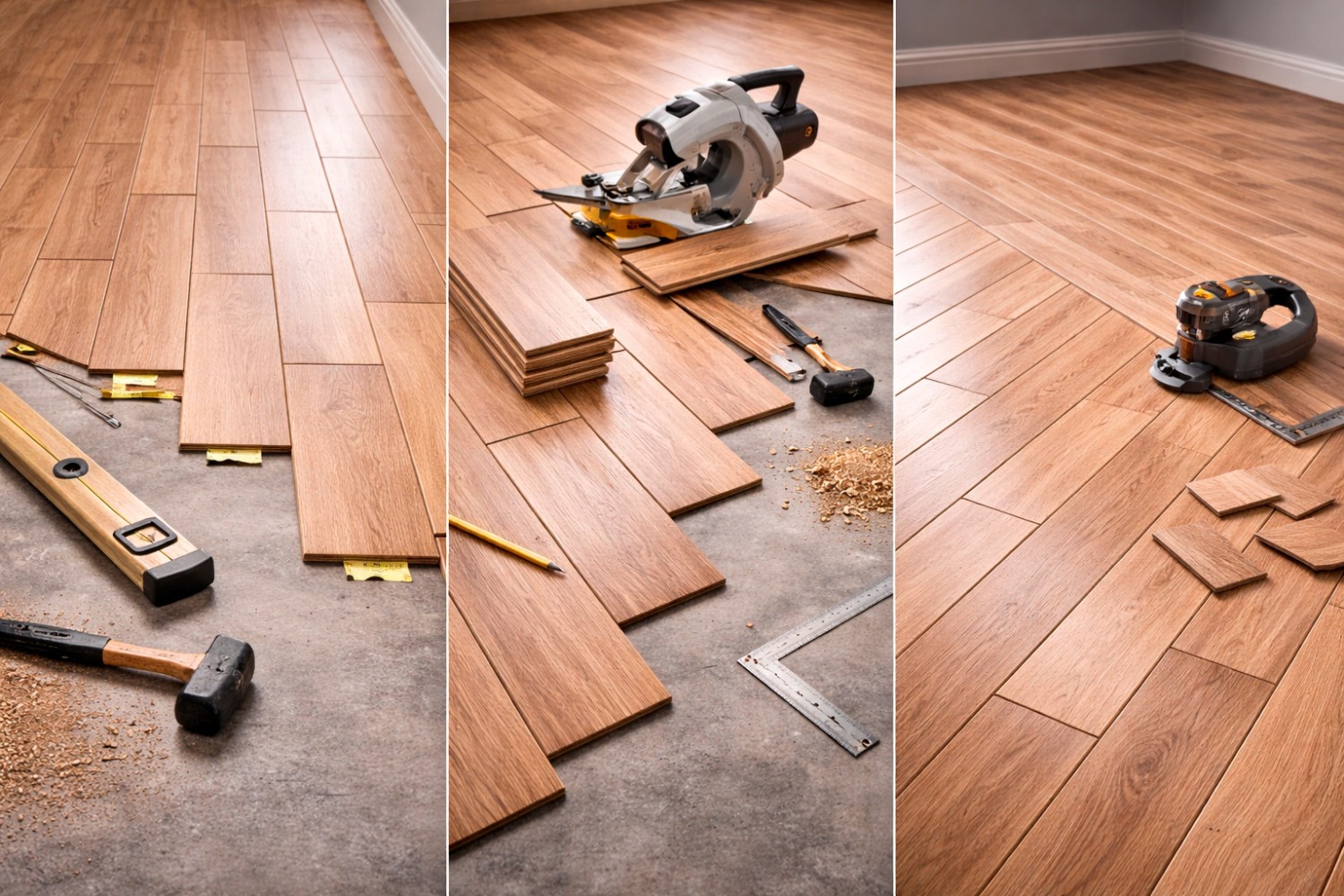
Laminate installation with an expansion gap at the walls. An 8–12 mm expansion gap is a mandatory requirement for any click-lock flooring.
Laminate: Technical Specifications and Classification
Laminate is a multi-layer HDF panel (high-density fibreboard from 880 kg/m³) with a decorative layer and a protective coating. It contains no natural wood — this is important to understand when evaluating its performance properties.
AC Classification (Abrasion Criterion)
The key selection parameter is the abrasion resistance class according to EN 13329:
- AC3 (Class 21–23): residential use, low traffic. Acceptable for a bedroom; not for a hallway.
- AC4 (Class 31–32): intensive residential use. The optimal choice for homes with children and pets. Taber test: 6,000–9,000 revolutions.
- AC5 (Class 33): commercial use. Excessive for apartments, but provides a generous long-term reserve. Taber test: 12,000+ revolutions.
Tbilisi guideline: AC4 is sufficient for any residential zone. AC5 — if maximum longevity matters or the apartment is rented out with frequent tenant turnover.
Panel Thickness and Underlay
Minimum thickness for residential use is 8 mm; optimal is 10–12 mm. A thicker panel absorbs sound better and conceals minor subfloor irregularities (allowable variation: up to 2 mm over 2 m). Underlay is mandatory: 2–3 mm polyethylene foam or a combined acoustic underlay. An underlay that is too thick (5+ mm) disrupts the locking mechanism and leads to joint splitting — a common mistake.
Pros of Laminate
- Affordable material cost
- Simple DIY installation
- Scratch resistance (AC4–AC5)
- Moisture-resistant options for kitchens
- Easy replacement of individual planks
Cons of Laminate
- Cannot be sanded and refinished
- "Plastic" sound with a cheap underlay
- Service life 12–15 years maximum
- Not recommended for bathrooms
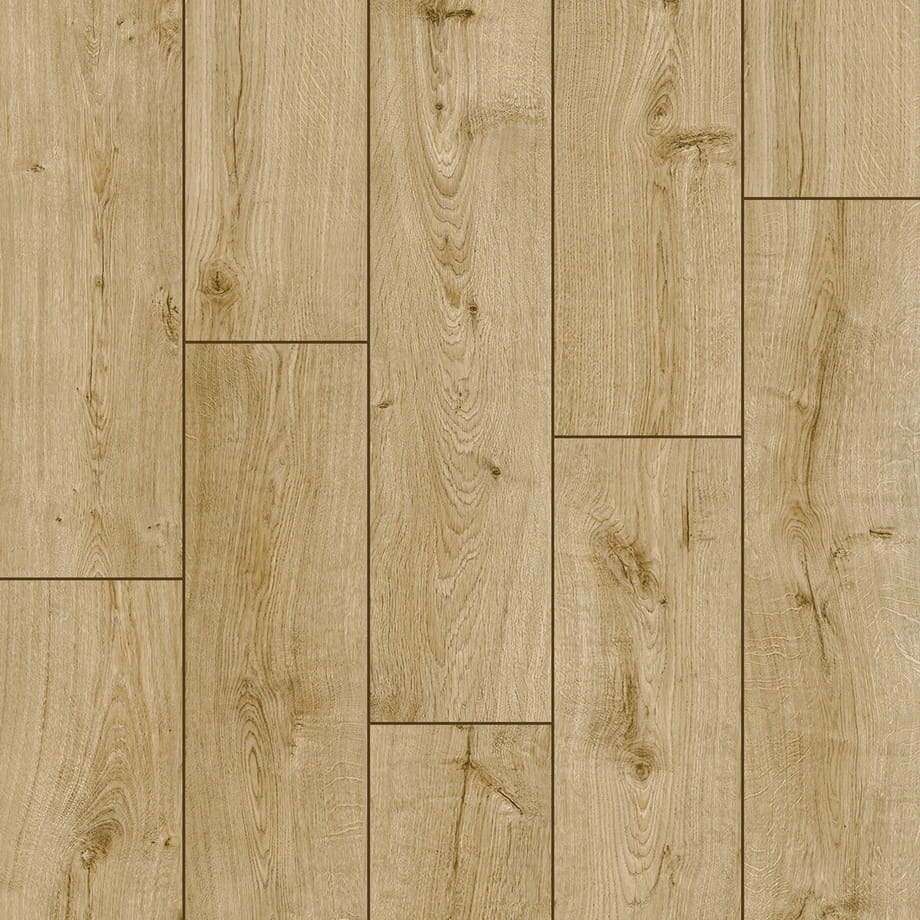
AC4 light oak laminate — a practical choice for living rooms and bedrooms. Leading brands on the Georgian market: Egger, Kronospan, Kaindl.
Engineered Wood: Structure and Specifications
Engineered wood consists of a plywood or HDF core (7–14 layers) bonded with perpendicular grain orientation, topped with a 2–6 mm layer of natural veneer. This multi-layer construction is significantly more stable than solid wood: it reacts less to humidity and temperature fluctuations, which is critical in Tbilisi's climate.
The Key Parameter — Veneer Thickness
- 2–2.5 mm: sanding is impossible; only a single re-lacquering is possible. Budget segment.
- 3–4 mm: 1–2 sandings over the service life. Optimal price-to-durability ratio.
- 5–6 mm: 3 or more sandings; service life 40+ years. Premium segment.
Veneer Species
Oak is the most versatile choice for Tbilisi. Janka hardness: 5.9 kN (oak) vs 3.2 kN (pine) — it withstands furniture, heels and pets. Exotic species (teak, jatoba, bamboo) are beautiful but more demanding of stable humidity — an additional risk given Georgia's sharp seasonal swings.
Finish coating: oil (Rubio Monocoat, Bona) — allows spot repairs, matte surface, a "living" wood feel. Lacquer — more protective, but damage can only be repaired by sanding the entire floor.
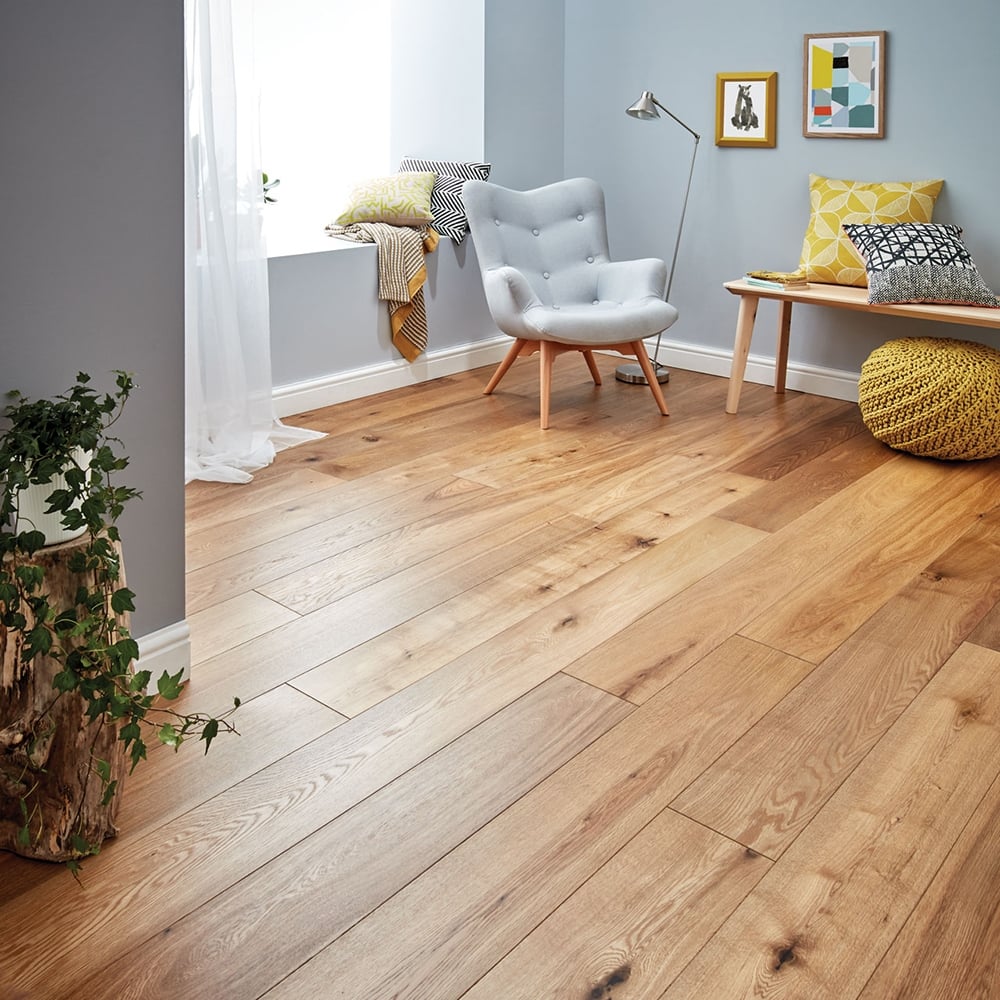
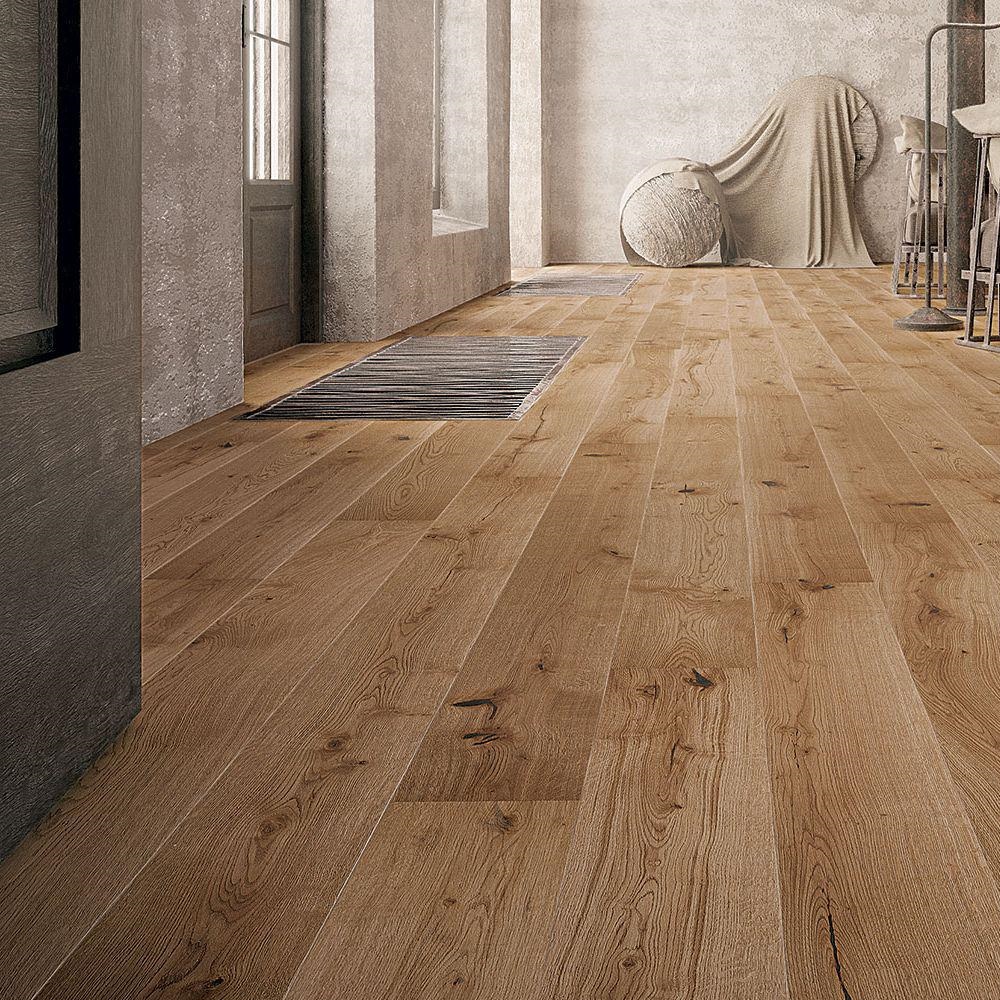
Oil-finished oak engineered wood — a living texture and warm tone that no laminate can replicate.
Comparison Table
| Parameter | Laminate (AC4–AC5) | Engineered Wood (4mm+ veneer) |
|---|---|---|
| Service life | 12–15 years | 30–50 years |
| Can be sanded | No | Yes, 2–3 times |
| Underfloor heating (electric) | Yes (up to +28°C) | Yes (up to +27°C) |
| Moisture response | Moderate (moisture-resistant HDF) | Moderate (more stable than solid wood) |
| Natural material | No | Yes (species wood veneer) |
| Spot repair | Yes (replace plank) | Yes (with oil finish) |
| Price segment | Affordable | Mid-range / premium |
What to Look For When Buying in Tbilisi
The building materials market in Georgia is uneven. Not everything sold in large stores matches the stated specifications. Key things to check when buying:
- Laminate: actual panel thickness (measure with a ruler, do not trust the label), AC class on the packaging, PEFC or FSC certificate. Trusted brands in Tbilisi: Egger EPL (Germany/Austria), Kronospan (Belarus), Kaindl (Austria).
- Engineered wood: ask to see the cross-section — it reveals the layer structure and actual veneer thickness. Type of adhesive between layers: melamine (MF) — for dry rooms; polyurethane (PUR) — moisture-resistant. Ask about the country of origin of the veneer.
Frequently asked questions
Laminate or engineered wood for underfloor heating?
Engineered wood conducts heat better and is more stable when heated. For laminate, choose a board rated for underfloor heating.
Which is better for a rental apartment?
Quality Class-33 laminate — cheaper, wear-resistant, and a section is easy to replace. Engineered wood suits owner-occupied homes.
Does laminate fear moisture?
Standard laminate does. For bathrooms and kitchens use moisture-resistant laminate or tile; in Batumi's coastal climate this is critical.
How long does engineered wood last?
20+ years, and it can be re-sanded and refreshed once or twice, unlike laminate. It is more expensive to buy, however.
Need help choosing flooring?
We'll bring samples, show the difference in person, and price it for your space.
Book a free visit →