Since 2022, Tbilisi has become home to tens of thousands of Russian-speaking expats. Many have bought or rented apartments and found themselves navigating an unfamiliar construction market — with no clear rules, no standard pricing, a language barrier, and a different legal system. This guide is a practical handbook for renovating in Tbilisi when you're new and don't know where to start.
Three Types of Tbilisi Housing — Three Different Challenges
Before thinking about renovation, you need to understand what you're working with. Tbilisi has three fundamentally different housing stocks.
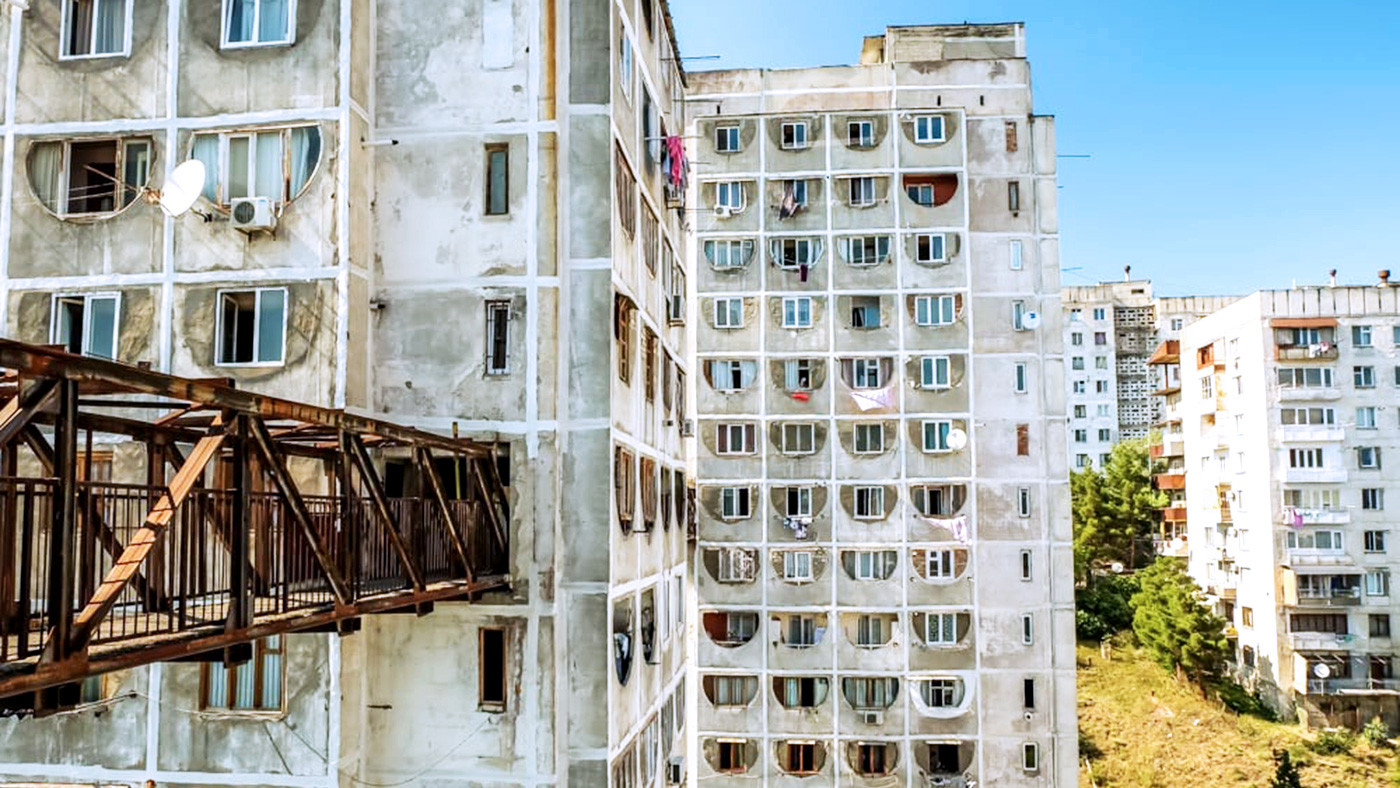
Soviet-era stock
1950–1990. Saburtalo, Didube, Gldani. Aluminium wiring, worn-out pipes. Always needs a full overhaul.
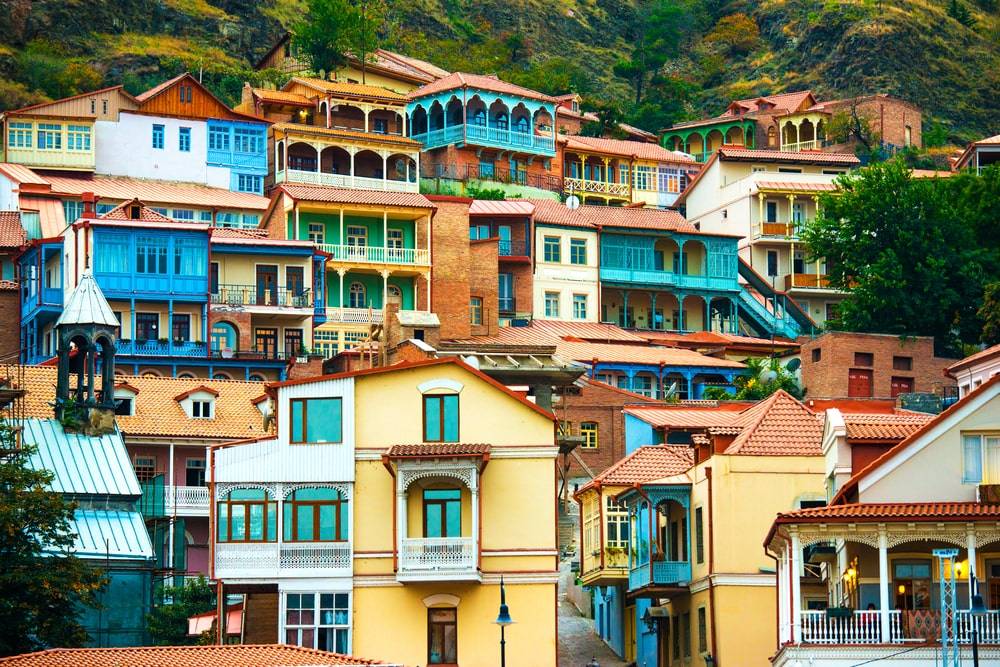
Historic centre
Sololaki, Mtatsminda. Beautiful facades, 19th-century timber floors. Professional inspection required before purchase.
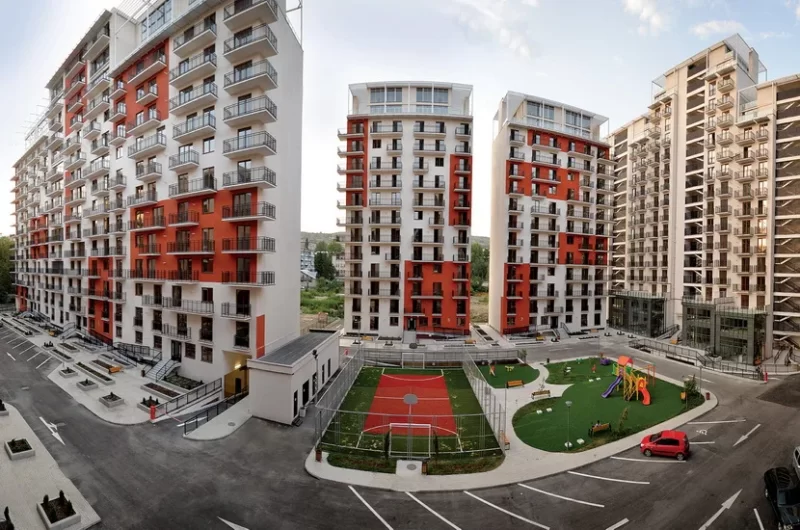
New developments (2010+)
Clean shells with minimal or no finishing. New utilities. The most predictable option for renovation.
Soviet-era stock (1950s–1990s)
Khrushchyovkas and improved-panel buildings in Saburtalo, Didube, Gldani, Isani. Condition ranges from "needs cosmetic work" to "full overhaul required". What almost always needs replacing: electrical wiring (aluminium AVVG or APV grade without earthing, Soviet standard from the 1960s–80s), cold and hot water distribution (galvanised pipes with scale build-up), sewage risers (cast iron in poor condition). Floor slabs are concrete and generally in good condition. Ceiling heights: 2.5–2.7 m.
Historic centre (Sololaki, Mtatsminda, Vera)
Apartments in 19th- to early-20th-century buildings. Ceilings of 3.2–3.8 m — a huge design asset. But: timber floors (they deform when wet), brick walls with unpredictable masonry condition, wiring may be aluminium or even older. A structural engineer inspection before purchase or before starting work is essential.
New developments (2010–2025)
Monolithic concrete frame, new utilities (multilayer pipe, copper or polypropylene), usually bare-shell or with minimal finishing (machine plaster, basic tiles). The most predictable option: no surprises, scope of work is clear upfront, layout changes are relatively straightforward.
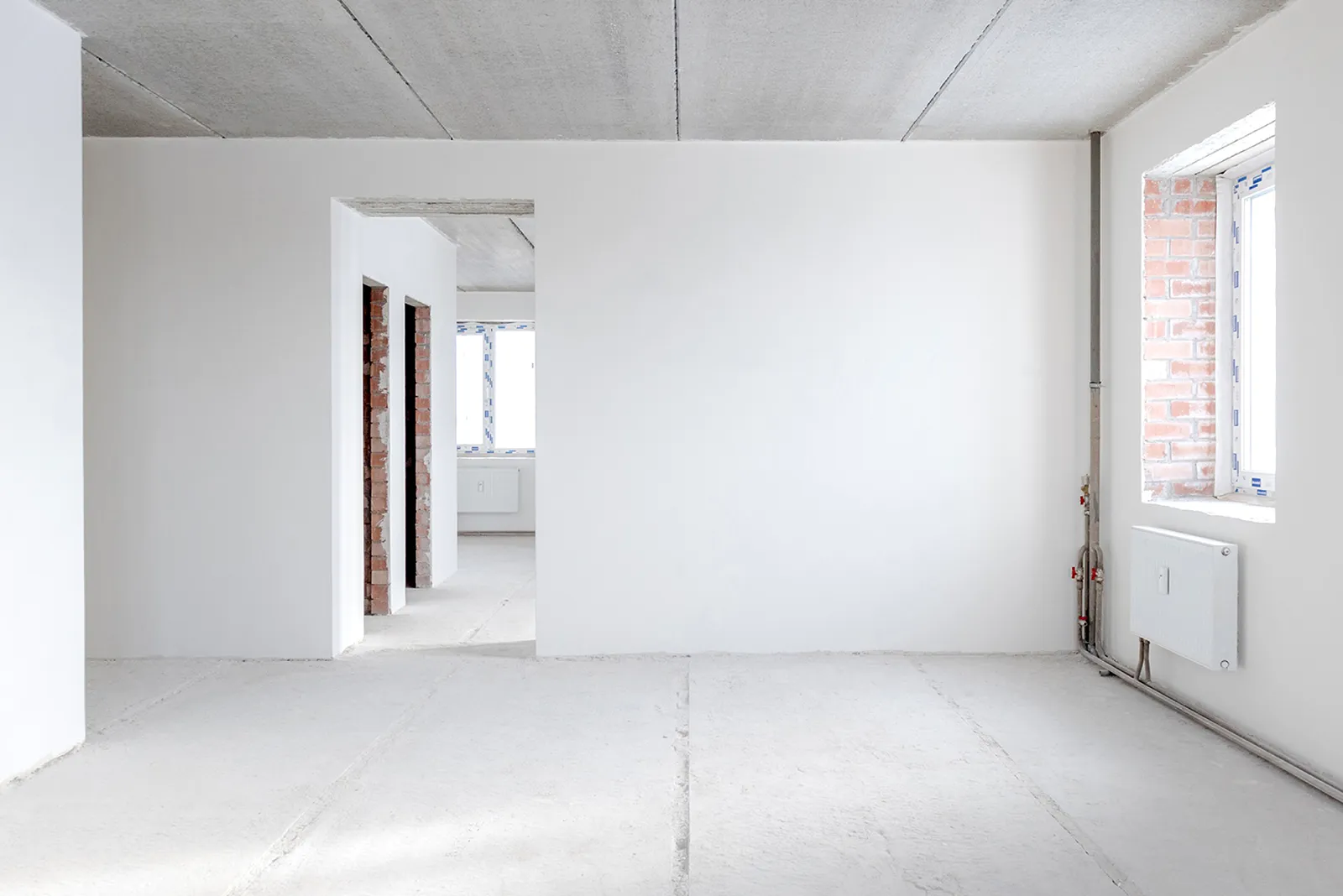
Renovating an apartment in a new development — starting from a blank canvas: screed, plastering, engineering systems tailored to the client's requirements.
How the Georgian Construction Market Works
Georgia's construction market is decentralised and virtually unregulated. Most contractors are small crews of 2–10 people, often without legal registration. This creates systemic problems for expats:
- No formal contract. A handwritten note is not a document. Without a registered counterparty you have no legal recourse.
- Language barrier. Most Georgian builders do not speak Russian or English. Technical briefs get lost in translation.
- No standard pricing. The same job can cost 2–3 times more or less depending on the contractor and neighbourhood.
- Hard to verify reputation. Without local contacts, it is impossible to tell a reliable crew from an unreliable one.
There are very few professional construction companies in Tbilisi with Georgian registration, a contract, warranties, and a Russian-speaking project manager. That is exactly what we provide.
Georgian Apartment Quirks That Surprise Expats
No central heating
Tbilisi has no district heating — every owner installs their own system. Main options: gas boiler with radiators (most common), electric heaters, underfloor heating. The heating system must be planned at the design stage — before the screed is poured and floor coverings are installed.
Gas pipes run along the facade
Gas pipes in Georgian buildings often run along external walls and balconies — a standard practice in Soviet-era Georgia. Touching the gas supply yourself is prohibited: any changes require approval from Gazprom Georgia and a licensed installer.
Electrical systems in old-stock buildings
Buildings from 1960–1985 have aluminium wiring without a protective earth conductor (PE). By current standards, a full renovation requires replacing it with copper. The total load a Soviet-era apartment was designed for was 3–4 kW — modern appliances (hob, oven, air conditioning, washing machine) require 12–15 kW. New distribution board, new ABB or Legrand breakers, new wiring — mandatory scope for a full renovation.
Ceiling heights in Soviet-era stock
2.5–2.7 m — and that's before any work. A stretch ceiling takes another 5–10 cm. Result: 2.4–2.5 m with a claustrophobic feel. We recommend a skim-plastered ceiling painted with recessed spotlights — it preserves height and looks modern. At 2.5 m or less, a stretch ceiling is not advisable.
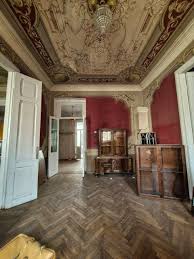
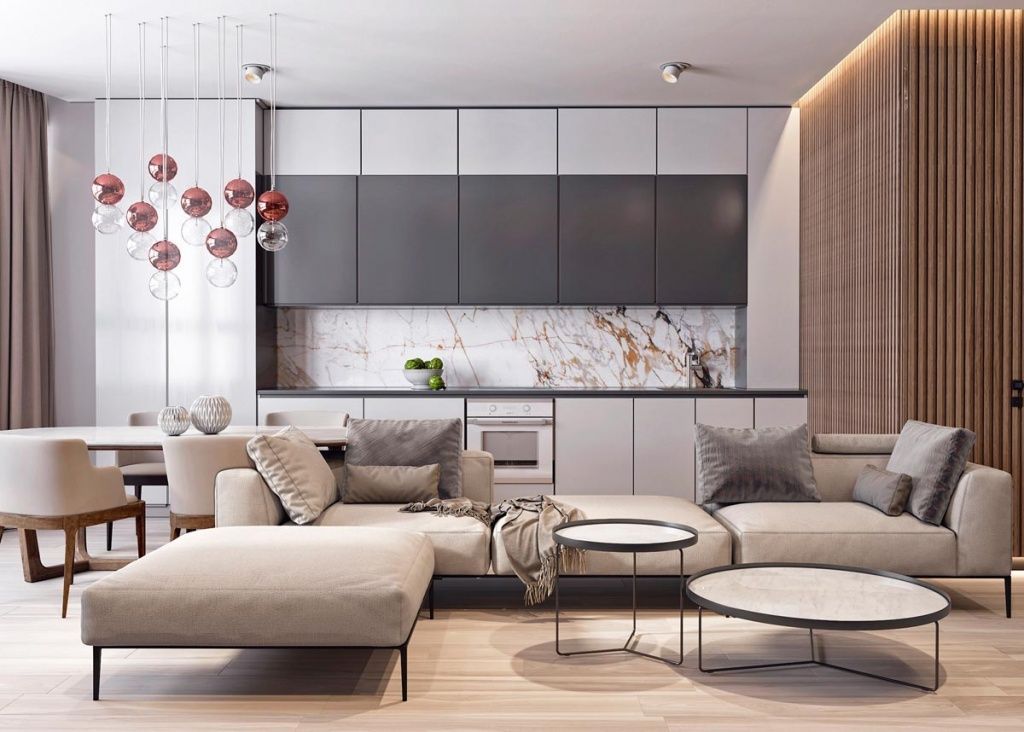
Left: historic-stock apartment with 3.5 m ceilings — an asset to be used. Right: modern renovation in a new Vake development.
What to Check When Viewing an Apartment Before Purchase
- Wiring condition: aluminium or copper, earthing present (check with a tester or multimeter)
- Water pressure: open all taps simultaneously — normal range for Tbilisi is 1.5–3 bar
- Condition of floor slabs between storeys: deformation, sagging, characteristic creaking
- Bathroom walls: tap — a hollow sound means delaminated plaster or tiles
- Sewage riser condition: smell, staining, rust on pipes
- Gas equipment: meter present, date of last inspection, leaks (gas detector or soapy water)
- Balcony: slab condition, cracks, glazing seal
Budget and Planning
Renovation cost has two separate components: labour (fixed in the contract before work begins) and materials (purchased at market price at the time of purchase). Conflating these into a single figure is a common mistake.
Three renovation levels in Tbilisi: cosmetic (surfaces only — paint, flooring, plumbing fixtures without replacing pipes), full overhaul (complete replacement of all engineering systems, screed, plastering, finishing), designer (full overhaul plus bespoke concept, premium materials). The scope and investment for each level differ enormously. We provide a detailed itemised quote for your specific apartment on-site — free of charge.
Frequently Asked Questions from Expats
Is a permit required for layout changes?
Demolishing non-load-bearing partitions and changing the layout without affecting structural elements does not require a permit in Georgia. Demolishing load-bearing walls and columns requires mandatory approval with a structural survey. Our engineers check the apartment plan before any work begins.
How do I pay for the renovation in a currency other than GEL?
We work in GEL at the official exchange rate. Payment via Georgian banks (TBC, Bank of Georgia, Credo) with no restrictions. Foreign cards work without issues.
How do I oversee the renovation if I travel frequently?
Weekly photo reports via WhatsApp is our standard. Video and photos of concealed work (electrics, waterproofing, screed) are taken before closing up. You make decisions remotely and see progress in real time.
How long will the renovation take?
Cosmetic renovation of 50–60 m² — 2–4 weeks. Full overhaul of 60 m² — 6–10 weeks. Full overhaul of 100+ m² — 12–16 weeks. Timelines are fixed in the contract with penalty clauses for delays.
Where do I buy materials in Tbilisi?
Lilo (the construction hypermarket near the market of the same name) — wide selection at mid-range and economy prices. Specialist tile shops in Vake and Saburtalo — Marazzi, Atlas Concorde, Ceramica Sant'Agostino. Plumbing and electrics at Samgori market. We help clients with selection and procurement from vetted suppliers at wholesale prices.
Is there a warranty on the work?
Yes. A 1-year warranty on all completed work, stated in the contract. For concealed work (waterproofing, electrics, screed) — photographic documentation is handed over to the client.
Book a free consultation
We'll explain the whole renovation process in Tbilisi and help you plan a budget.
Contact us →