We have taken over more than 130 projects from other contractors and have seen everything. Some mistakes cost clients as much as a full second renovation. Most of them could easily have been avoided. This article is direct and to the point: five situations we observe again and again.

Working without a contract or on a verbal agreement
"We agreed verbally — he's a reliable person" — a phrase we hear from clients whose renovations are being redone. Without a contract you have no protection at all: not on price, not on deadlines, not on quality. In Georgia this is especially relevant: the vast majority of crews work without legal registration and refuse to sign a contract, or offer a handwritten "receipt" instead.
When a contractor takes an advance and slows down, starts ignoring calls or delivers obviously poor work — without documentation it is legally impossible to prove anything. You have zero leverage.
A contract must include: a comprehensive list of all works with a description of the technology, a fixed cost for the work, deadlines with specific dates, a staged payment schedule and liability for breaching deadlines and quality. A legal address and registration number in Georgia are mandatory. If the counterparty cannot provide a registry extract — this is not a contractor; it is an unregistered crew.

Choosing a contractor solely on the lowest price
An abnormally low quote is not a bargain — it is a risk. Undercutting means one of two things: either the cheapest possible materials will be used (which you will not see once they are installed) or the work will be done by an unqualified crew. Most often it is both.
This is especially dangerous in "invisible" works: electrical, waterproofing, screed. Aluminium cable instead of copper, a single waterproofing layer instead of a double one, screed without reinforcement — all of this surfaces within 1–3 years. The cost of remediation is 2–4 times more than the initial saving.
Compare 3–5 quotes. Request a detailed line-item estimate, not a single line reading "apartment renovation turnkey". The difference between a good and a bad estimate is obvious: a good one lists specific materials (brand, class, coverage rate), work norms and technology. Ask to see a current site or photos of concealed works. A quote that is significantly lower than all others is a reason to ask direct questions, not to celebrate a discount.

Paying 100% advance before work begins
"We need to buy materials" — and you transfer the full amount. After that the contractor has no financial incentive to work quickly or to a high standard. Deadlines start to slip; calls start to go unanswered. In the worst case the company takes the advance and disappears. Such stories in Tbilisi are not rare, particularly with small crews without legal registration.
A legitimate contractor does not demand full prepayment — they have working capital to get started. A demand for 100% advance is a red flag, regardless of how "reliable" they seem or who recommended them.
Standard payment structure: 30% advance upon signing the contract and the crew arriving on site → staged payments as work is completed and accepted (every 1–2 weeks) → 10% final payment after full handover and signing the acceptance certificate. Never pay more than 40% before work actually begins.

Starting renovation without a clear brief
"Make it look nice" — the most expensive brief possible. When there is no clear plan, "small changes" keep appearing during the work. Every change brings rework of already completed stages — double the labour, double the timeline, double the material costs.
A classic situation: the screed was poured and dried, then the client decided to move a doorway 20 cm. That means breaking up the screed, re-laying the threshold, reworking the door frame, additional waterproofing, new adhesive. One "small" change — 3–5 days of work.
Before any work begins, prepare a written plan: furniture layout with dimensions, position of every socket and switch with heights, lighting scheme with fixture types, floor covering type for each room. A good contractor helps shape the brief at the first site visit — do not expect them to guess. Every minute spent on paper saves hours on site.
Cutting corners on waterproofing and rough works
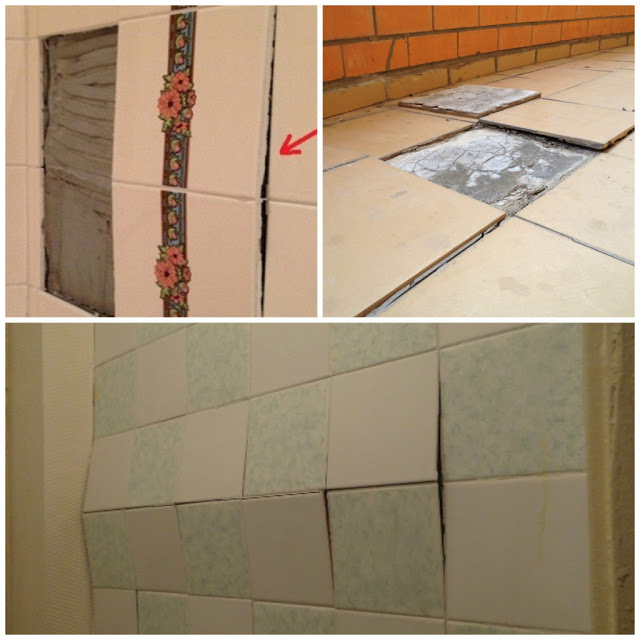
"Let's save on waterproofing — nobody sees it anyway." We have heard this. A year later the client calls: tiles are cracking, the screed has gotten wet, the neighbours below are complaining about damp on their ceiling. The cost of remediation — removing all the tiles, drying the substrate, re-waterproofing, new tiles — is three times more than quality waterproofing would have cost initially.
The same applies to the screed: thickness below 50 mm without a reinforcing mesh, an excessively high water-cement ratio — a guaranteed source of shrinkage cracks in 1–2 years. And cracks in the screed mean cracks in tiles, squeaky laminate and buckled parquet.
Rough works are the foundation on which everything else rests. Waterproofing: minimum 2 coats of W8-class coating compound, 30 cm turn-up on walls, reinforcing tape in corners. Screed: cement-sand M150–200 with 50×50×4 mm mesh, thickness 60–80 mm, curing 28 days before laying the floor covering. Electrical: copper cable ВВГнг-LS, ABB or Legrand breakers, RCD on wet zones. Do not economise on these.
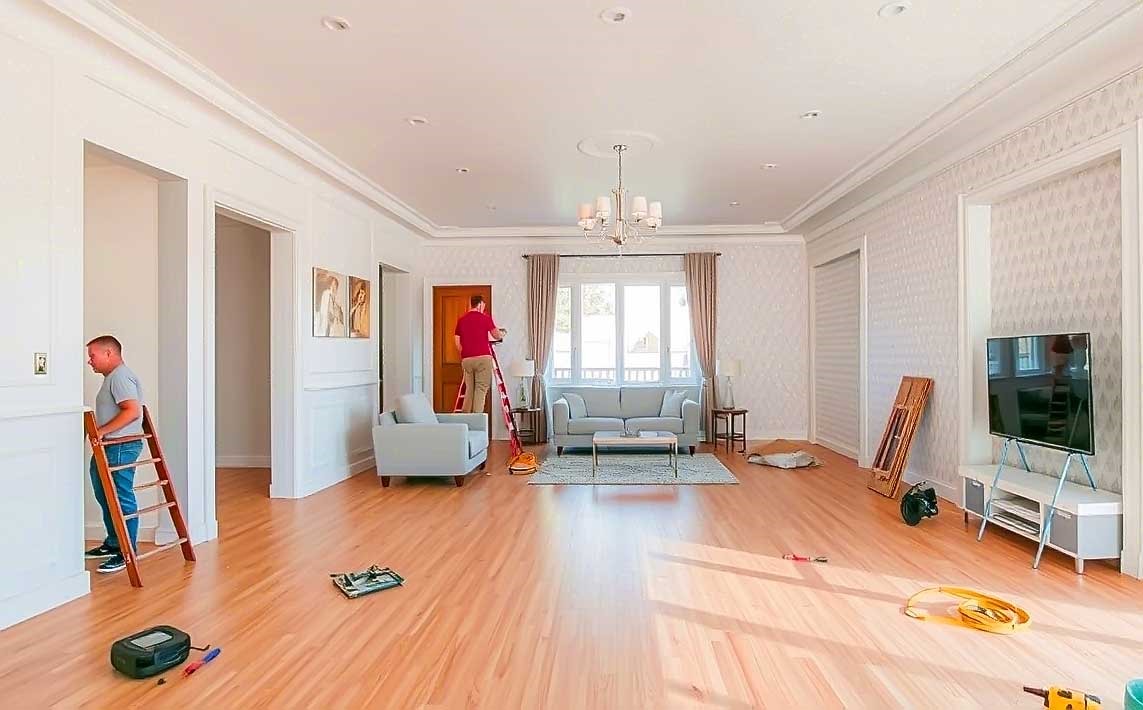
The result of a properly organised renovation: adhering to the correct technology at every stage — from waterproofing to the final finish.
Checklist Before Choosing a Contractor
- The company has legal registration in Georgia (verifiable on the registry website)
- The contractor is willing to sign a contract with a fixed cost and deadlines
- The estimate is detailed — line by line with materials specified, not a single lump sum
- The advance does not exceed 30–40% of the contract value
- There is a real portfolio with the ability to contact previous clients
- You can visit a current site and see the work in progress
- The contractor explains the technology (what is being done and why)
If the answer to even one item is "no" — it is worth continuing your search.
Frequently asked questions
What is the most common renovation mistake in Georgia?
Working without a fixed-price contract — it leads to a growing estimate, missed deadlines and disputes. We lock price and timeline in the contract before work starts.
Why not save on waterproofing?
The humid climate and old utilities quickly cause leaks and mould, and redoing it costs more. Waterproofing wet rooms is mandatory.
How to avoid missed deadlines?
Put the completion date and a penalty for delay in the contract and keep daily photo control. We work this way by default.
Can I control the renovation remotely?
Yes: weekly photo and video reports on WhatsApp, and hidden works documented before they are closed up. Many of our clients live abroad.
Want renovation without these mistakes?
We'll walk you through how to avoid each pitfall in your specific apartment — for free.
Book a free visit →